
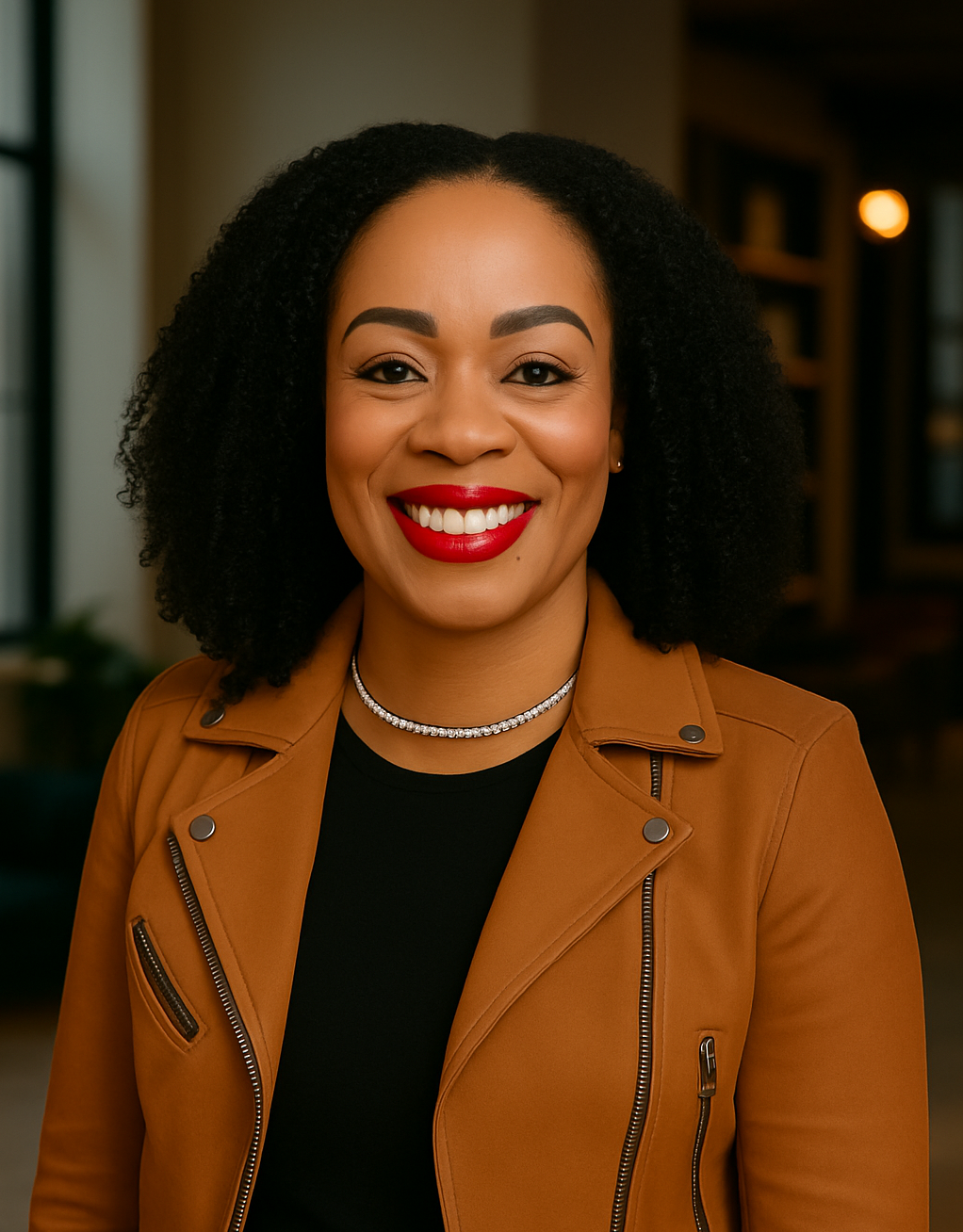
Catrena almonte
I believe we all have a role in making mental health care more equitable. My contribution lies in advancing culturally responsive, trauma-informed therapy that reaches communities too often left out of care. I’m especially passionate about helping women and veterans navigate transition, identity, and healing with a sense of agency and compassion.
About Catrena
- School: Catrena is a Doctoral-level pre-licensed professional pursuing her PsyD in Clinical Psychology at The Chicago School of Professional Psychology, Washington, DC. Her dissertation, “Cannabis, Combat, and the Color Line: Reforming PTSD Treatment for African American Veterans,” reflects her commitment to culturally adaptive approaches to trauma. She also holds master’s degrees in Clinical Psychology, Clinical Psychopharmacology, and Cannabis Science & Therapeutics—bringing an interdisciplinary understanding of neuroscience, pharmacology, and care access to her clinical work.
- Research: Catrena’s clinical work spans hospital, private practice, and neuropsychological settings, where she provides evaluation-informed, trauma-sensitive therapy for adults navigating complex medical and psychological concerns. Her professional focus includes trauma recovery, women’s mental health, veterans’ issues, and the intersections of race, identity, and access to care. She is particularly drawn to work that integrates psychology, culture, and systemic reform.
- Why She Joined SENS: Catrena was drawn to SENS Psychology’s commitment to culturally responsive, innovative care for diverse, high-performing clients. Under the supervision of Dr. Britt and Dr. Hadorn, she will provide accessible therapy through a trauma-informed and evidence-based lens. Her long-term goal is to expand mental health access across underserved and international communities, including Nigeria and veteran populations.
- Why You’ll Love Her: Before joining SENS, Catrena worked in both neuropsychology and community settings, conducting evaluations and therapy across a wide range of populations. She blends psychodynamic insight with evidence-based methods, meeting clients with warmth, precision, and respect for their lived experience. Whether working with trauma, identity transitions, or relational stress, she creates a grounded, empowering space for healing.
- French Fries or Onion Rings:
French fries—always. Preferably shared over a long conversation about psychology and purpose.